


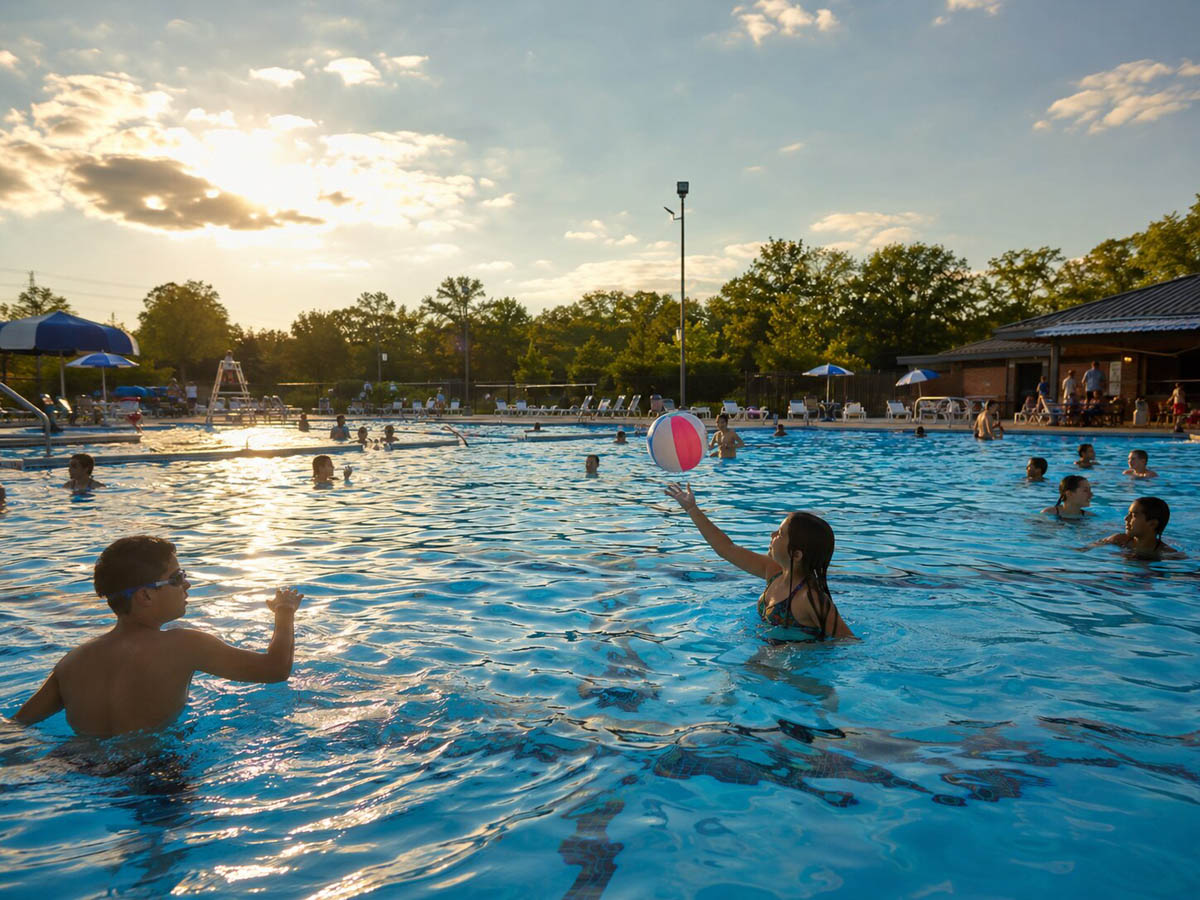
One of the biggest problems in pools is undoubtedly the pollution factors that are easily transmitted to the water. These are actually the ones who use the pool the most, that is, swimmers. Afterwards, there may be garbage mixed into the pool water from the surroundings or problems caused by the pool's own mechanical system.
Here is some data from the Centers for Disease Prevention (United States) for statistics on public pools;
-Every year between 3,000-5,000 people go to the emergency room because they have been poisoned by pool chemicals.
-About 500 of the infections spread between 2000 and 2014 originated in pools, spas or water parks.
-1 out of every 8 public pools closed is due to a serious threat to public health.
-Halka açık havuzların su filtrelerinin örneklerinin %59’unda Pseudomonas aeruginosa (bakteri), %58’inde E.coli (bakteri), %8.1’nde Cryptosporidium (parazit) bulunuyor.
As mentioned at the beginning of this article, the biggest factor in the formation of these data is mostly swimmers. However, dirt, various oils, wastes that mix into the pool from the water surface affect the pool negatively. Considering these, it is imperative that pool operators and swimmers work together.
Swimmers
The first thing you should do before entering the pool is definitely recommended to take a shower. By doing this, you prevent pollution and oils that will contaminate the pool water.
It is absolutely important to make sure that you do not have any open wounds because any open areas such as cuts, piercing wounds, etc. can become infected. Nevertheless, it is recommended to use a waterproof band-aid if you are going to enter the pool.
Are you suffering from abdominal pain? Definitely stay away from the pool. A single Cryptosporidium entering the pool is enough to cause an epidemic. The high chlorine tolerance of this parasite also increases the risk of waterborne diseases.
For young children, taking toilet breaks at regular intervals will greatly prevent any fecal matter that may get into the pool water. If your child uses swim diapers or pants, it is useful to check them every 60 minutes. It is also important to take them to an area away from the pool when necessary and make sure that your hands are thoroughly washed after cleaning. This will ensure that feces and urine remain in the pool.
If you smell too much chlorine in the pool, you should tell the lifeguard or pool attendants as soon as possible. This way, you can empty the pool early and prevent health problems.
Pool and Business Employees
One of the biggest tasks of the staff is to ensure that the swimmers enjoy themselves.
Before customers enter the pool, the chemical parameters of the water must be checked and it must be ensured that the pH level is in the range of 7.2-7.8 and the free chlorine is in the range of 1-3 per million.
Public pools must be checked twice a day or more depending on usage.
If the results of the check are not within safe ranges, it is recommended to close the pool and ventilate the area. After that, pool officials are expected to intervene to bring the water parameters back into normal ranges.
However, it is also important to note the role of ORP in a water quality management program. The Oxidation-Reduction Potential (ORP) value is considered an important indicator for the usefulness of chlorine efficacy. ORP control indicates the capacity to oxidize and clean organic substances in the pool. The ORP value in public pools is aimed to be around 800 millivolts so that the chlorine level is maximized. If the ORP value is low, it is predicted that organic pollution is not sufficiently oxidized and harmful chemical reactions caused by chlorine may start. With a good interpretation of the ORP value, unnecessary use of chlorine, imbalance of water quality and unwanted odors in the pool can be prevented.
In addition, it is always useful to check the pool itself. Is the pool water clean enough to see the drains in the bottom of the pool? If not, the pool filter needs to be checked.