
The sport of swimming, which we have seen in ancient Greek and Roman civilizations, appears for war purposes. Considering that water is the natural living environment for many living things and that life begins in water, it should not be surprising that people have been interested in water since the earliest known times, have enjoyed being in contact with water for swimming and bathing purposes and have created a culture related to these behaviors.
Although it is known that the religious water culture of the Indians dates back to 3000 BC, the best preserved examples of water-related lifestyle culture belong to the Aegean civilizations. The high quality standards and design criteria developed in the palaces of Kronos and Phoitos between 17001400 BC are worth noting. The Romans mastered the construction of public swimming pools and baths. In Japan, an imperial edict was issued and put into practice, making swimming compulsory in schools.
Although it lost its importance after the division of the Roman Empire into two parts, the use of water for recreactive purposes in eastern societies has continued in various forms for centuries. These structures, especially the Turkish baths, have been elements of the development of a unique building form and culture. In Russia, steam baths followed by swimming in cold rivers and lakes have remained popular since ancient times. In China and Japan, communal bathing and swimming are part of the culture of life.
In Europe, these structures did not show any development from the Renaissance to the 19th century. The 19th century in Europe is accepted as a period in which developments in swimming pools intensified. Especially the British, who established colonies in the East and in various parts of the world, adopted the idea of swimming pools and public baths in Japan and India and brought them to their countries. Thus, swimming pools spread rapidly in England and Europe. In the 1860s, this spread to America and swimming pools began to be built, albeit in small numbers. Another closely related development was the first use of chlorine in swimming pools for the sterilization of water.
It is known that the first official swimming races were held in London in 1837.After 1882, most of the countries in Europe established Swimming Federations.With the start of the modern Olympics in 1896, the swimming branch was added and swimming races were organized.As a result of the development of the swimming branch in the world; In 1909, the International Amateur Swimming Federation FINA (Federation Internationale de Natation Amateur) was established in London. 19201930s were the years when the most swimming pools were built in America. The Second World War and the economic collapse in the years that followed naturally led to a halt in swimming pool construction. The stagnation turned into a rapid revival and increase in the mid-1950s. Improvements in construction techniques, filtration and other pool installations played an important role in this. In the period from the 1950s to the present day, there has been a continuous increase in the construction of swimming pools in many countries, especially in developed countries. This field has created an industry and a large market in itself.
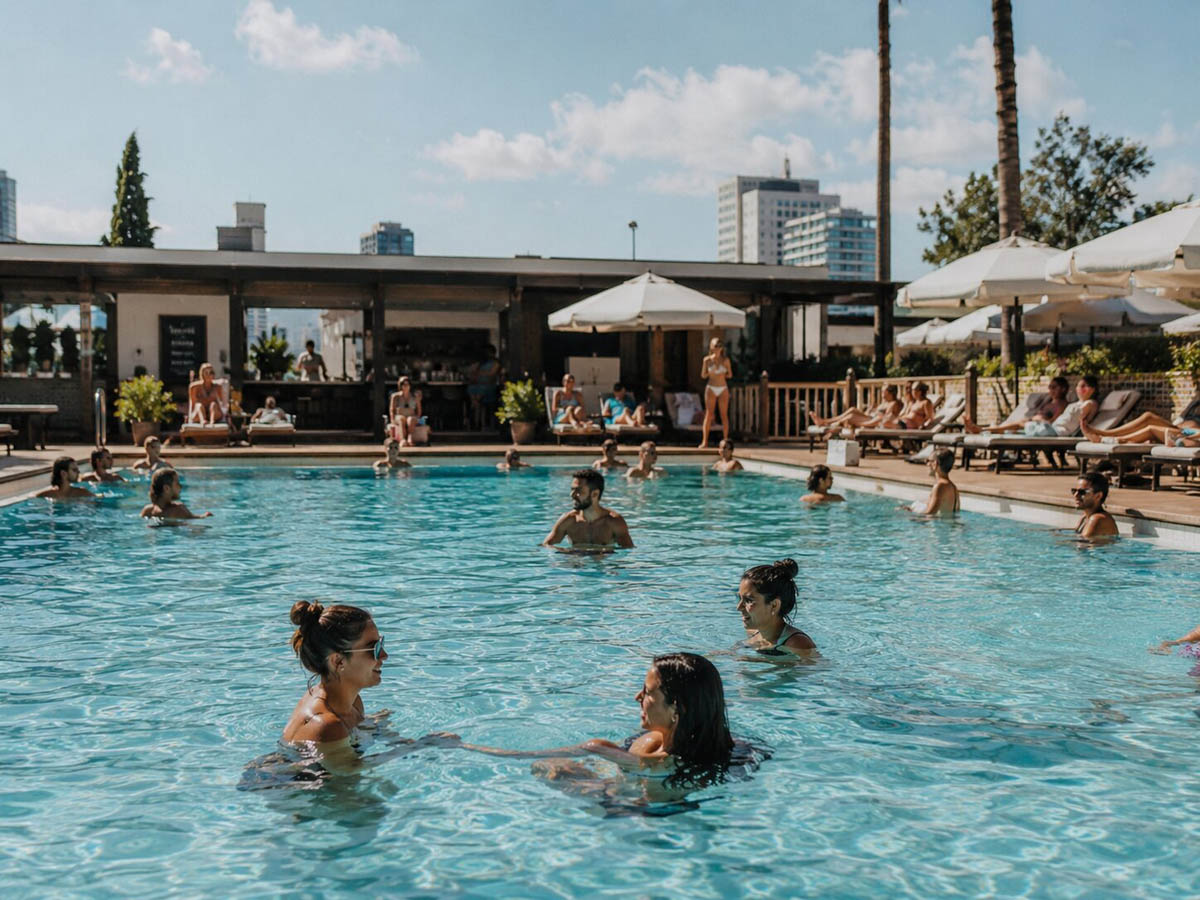
Recreation, rest, entertainment and sports are seen as the main purposes of swimming pools. In the tourism sector, swimming pools have become a part of tourism structures. In addition, the development of living standards and the difficulty of access to the seaside during short vacations increase the number of swimming pools used for recreation, entertainment and recreation.